Utah's Hogle Zoo welcomes its first-ever warthog piglets
Meet Chad and Wharton
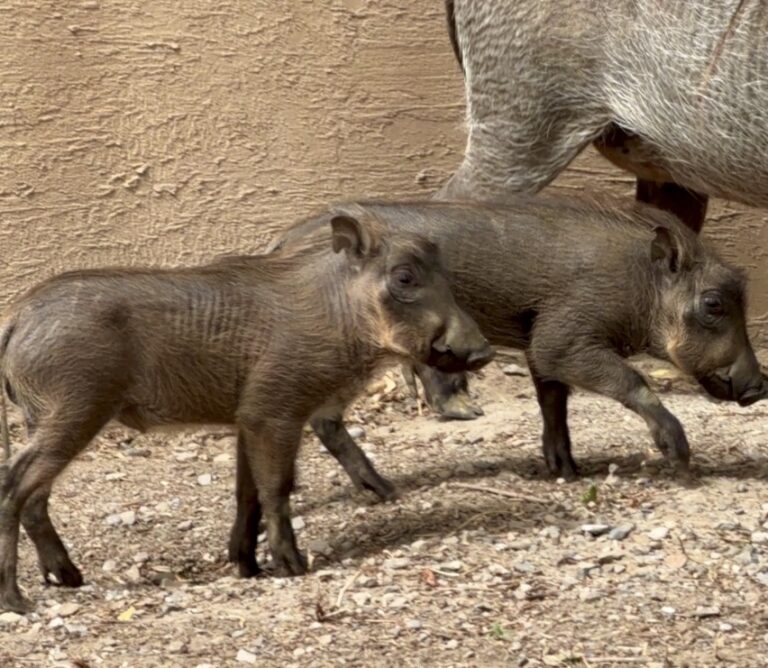
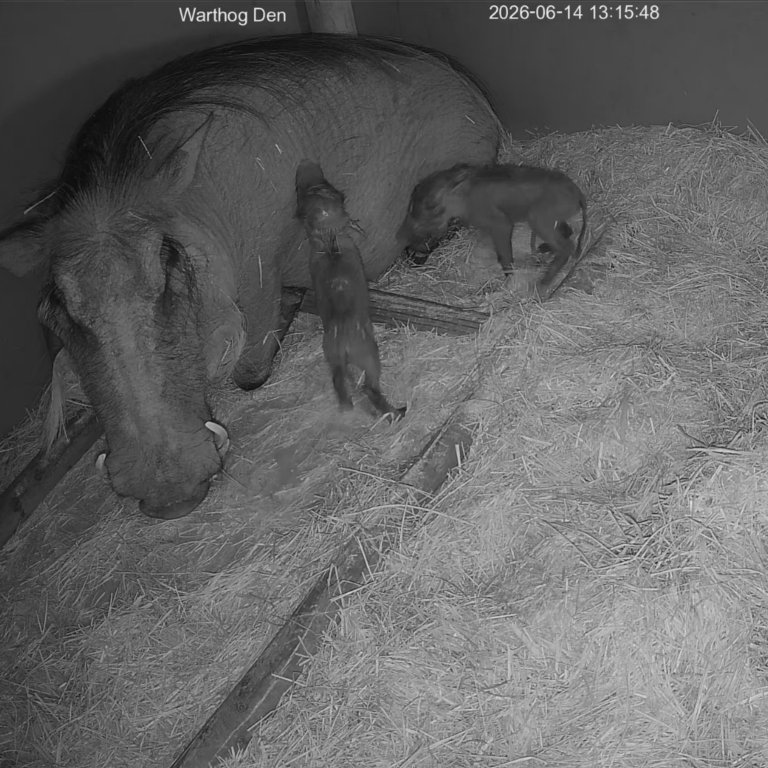
Three-year-old common warthog Tikiti gave birth to two healthy male piglets on Sunday, June 14, 2026, marking the first warthog piglets ever born at Utah’s Hogle Zoo. Named Chad and Wharton by generous zoo donors, the brothers have spent their first weeks bonding with first-time mom, Tikiti, in a behind-the-scenes den. Wharton weighs 11.1 pounds, and Chad is slightly heavier at 11.2 pounds.
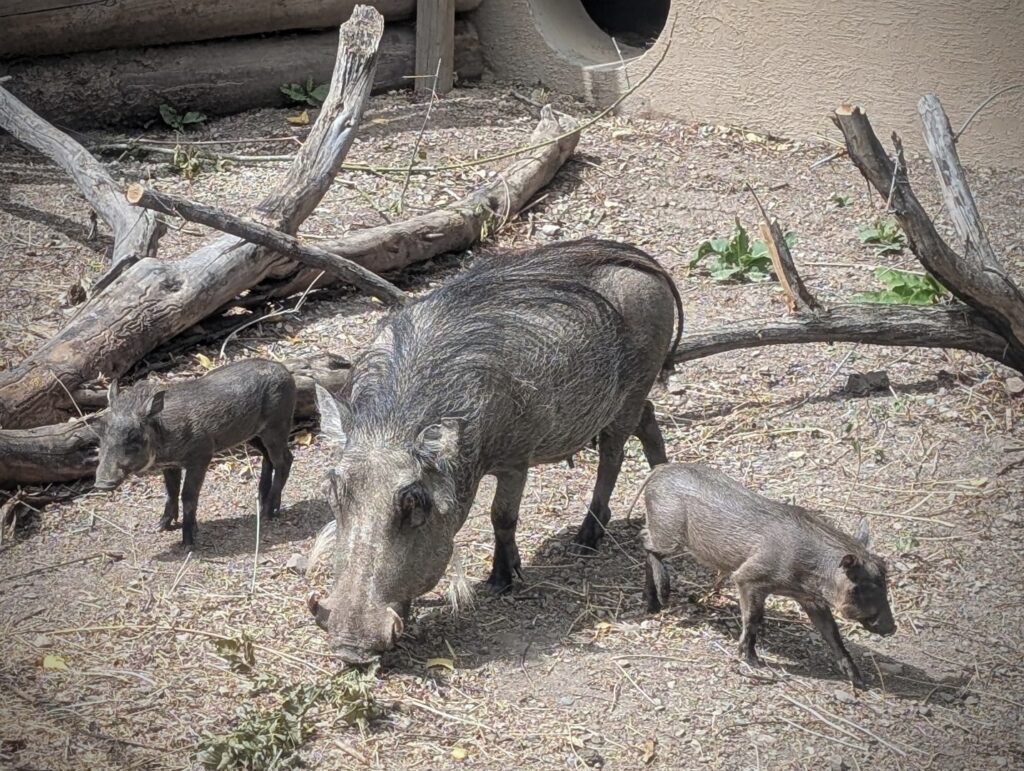
With this being Tikiti's first time giving birth, we weren't sure what the outcome would be. Staff and the veterinary team were prepared to assist with raising the piglets if needed, but I'm happy to announce that Tikiti has been a wonderful, attentive, and loving mother to her two babies. Sometimes natural instincts kick in with first-time moms, and she made it look easy. Our priority for the first two weeks was giving Tikiti and her babies bonding time. Now Tikiti is engaging with her keepers and allowing her piglets to also explore new places and new people!”
-Lauren LeCoque, Supervisor - African Savanna
During your next visit, you may spot Tikiti and the piglets exploring the African Savanna habitat near the base of Twiga Terrace. Like all new mothers, Tikiti needs time to rest and care for her young, so the family has access to a private den and may spend part of the day indoors.
“Their births represent an important milestone not only for Hogle Zoo, but also the warthog population as a whole. As they get older, these two males will become active members in the Association of Zoos and Aquariums (AZA) Species Survival Plan® (SSP),” shares LeCoque.
SSPs work to maintain healthy, genetically diverse animal populations in accredited zoos. Tikiti arrived from Dallas Zoo as part of an SSP breeding pair recommendation with eight-year-old warthog Swifty. As they mature, the brothers will likely move to another accredited zoo where they will help support the SSP and serve as ambassadors for their species.
“Tikiti has turned out to be an incredible mother. We weren’t sure how she would do with her first babies because she had to be hand-reared by the Dallas Zoo’s care team when she was not showing signs of being as active as they had hoped. When Tikiti first arrived at Hogle Zoo, she had to be coached on how to be a warthog. The team spent a lot of time with her, walking her around the savanna and carefully introducing her to Swifty until she was comfortable,” shares Melissa Dacumos, Associate Director of Animal Care – Hogle Zoo. “I am so proud of Tikiti and how far she has come. It has been a joy to watch her settle into this new chapter of motherhood!”
Did you know? Just like us, warthogs rely on family and social bonds. Warthogs live in family groups called sounders, typically made up of adult females and their young. Piglets spend their first six to seven weeks inside the burrow while nursing, then venture out with their mother, learning how to forage and navigate the landscape.
About common warthogs Common warthogs live across much of sub-Saharan Africa, where they make their homes in grasslands, open savannas, and woodlands. Built for life on the savanna, warthogs have stocky, muscular bodies that help them move quickly, and tusks that help them dig, forage, and protect themselves in open landscapes where cover is limited. They are vital ecosystem engineers that aerate the soil through digging, disperse seeds while foraging, create water-filled wallows that benefit other wildlife, and provide an essential prey base for apex predators such as lions.
Although common warthogs have stable global numbers and are currently listed as Least Concern by the International Union for Conservation of Nature (IUCN), populations still face significant localized threats. Poachers target them for bushmeat (illegally hunted wildlife) and tusks, while farmers retaliate against them for raiding crops. Warthogs can carry African swine fever without showing symptoms, leading many farmers to view them as a threat to domestic pigs and increasing human-wildlife conflict.
You can help protect warthogs by supporting the national parks, wildlife reserves, and conservation organizations that safeguard their populations across Southern Africa, whether through responsible tourism or donations. Promoting coexistence by supporting fencing solutions that reduce human-wildlife conflict also helps protect people and wildlife. Spreading awareness about the warthog’s important ecological role and refusing to purchase bushmeat or support the illegal wildlife trade are additional ways to make a difference. Protecting healthy savanna ecosystems ensures warthogs continue to roam Africa’s landscapes for generations to come.