Utah’s Hogle Zoo welcomes two male sea lions to Rocky Shores
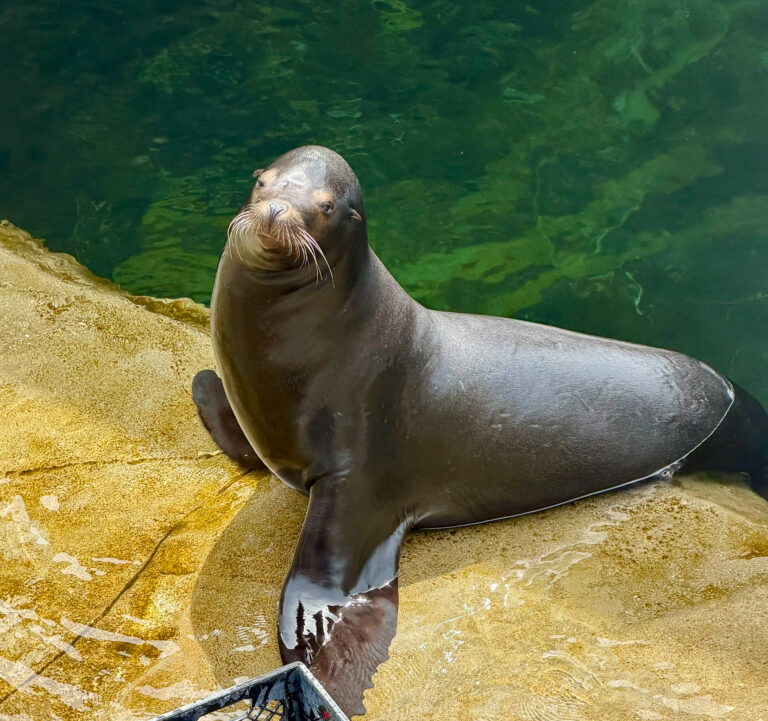
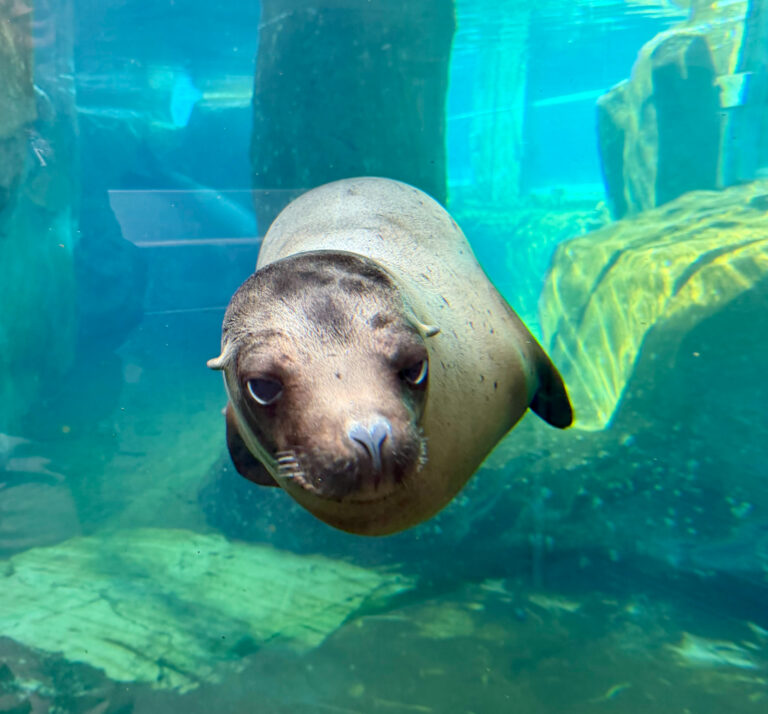
Fin-tastic news from Rocky Shores! Two male California sea lions, 3-year-old Kenney and 7-year-old Banana (buh-nah-na), are making a splash in their new habitat at Utah’s Hogle Zoo.
Kenney joins Hogle Zoo from Shedd Aquarium, and Banana arrives from Columbus Zoo and Aquarium on a recommendation from the Association of Zoos and Aquariums (AZA) Species Survival Plan (SSP), which fosters a dynamic group setting with resident sea lion Maverick.
About Banana
Banana is described as an intelligent sea lion, who’s motivated by learning and complex enrichment that challenges him to problem solve. He enjoys working closely with his trainers, often seeking opportunities for interaction and participation. Slightly smaller than Maverick but larger than Kenney, Banana falls right in the middle of the trio.
About Kenney
Kenney arrived from Shedd Aquarium in spring 2026. In May, Kenney’s care team noticed that his behavior was different – he was tired and refusing fish. We did everything we could to diagnose and treat his issues. However, despite advanced veterinary care and consultations with specialists, his condition declined rapidly, and he passed away a few days later. Kenney will be deeply missed by all who loved him.
Following their standard quarantine period, the boys were thoughtfully introduced to their new surroundings are in the early stages of being introduced to their habitat mates, including sea lion Maverick and harbor seals Mira and Nika.
As these introductions continue, natural social behaviors such as vocalizing, swimming around one another, or nipping may be seen as the sea lions communicate and establish hierarchy and relationships. These are expected behaviors, and animal care teams are closely monitoring all interactions to ensure the wellbeing of each individual.
Positive signs the team looks for during this process include the sea lions becoming more comfortable in the space, spending time resting on land, and beginning to establish preferred areas within the habitat.
During this transition, guests may notice additional animal care staff in the habitat and temporary training tools in use. One of these tools, called a baffle board, acts as a quick, movable barrier that helps provide space between keepers and sea lions when needed. As Kenney and Banana continue their training and get used to their new environment, care routines, and each other, these tools help support safe and positive interactions for both animals and staff.
New digs!
A new permanent shade structure now covers the pinniped pool in Rocky Shores, providing a year-round shade that supports the long-term eye health and wellbeing of the seals and sea lions in our care.
“One of the best things about working in the zoological field is watching your animals thrive both behaviorally and socially. I am thrilled Maverick has found companionship in fellow sea lions Banana and Kenney. These types of events not only help animals, but they also help us learn and grow as animal caretakers. We are excited to see our new pinniped group reach new heights in the years to come!”
- Michael Salinas, Animal Care Supervisor - Rocky Shores
About California sea lions
California sea lions are found along the west coast of North America. With streamlined bodies, large front flippers to propel their bodies forward, and rotatable rear flippers that function like a rudder, sea lions have unique adaptations to help them move on land and in the water. When diving, California sea lions slow their heart rates, which allows them to remain underwater for nearly 10 minutes before surfacing for air. Their long whiskers act like antennae, helping them sense the movements of fish and predators underwater.
You can now visit Kenney and Banana, alongside habitat-mates Maverick, Mira, and Nika in Rocky Shores.